The quick orientation
This is a xianxia romance where the magical rules matter—and the emotional rules matter more.
Love Between Fairy and Devil—also known by its Chinese title Cang Lan Jue (苍兰诀)—puts Xiao Lanhua, or Orchid, and Dongfang Qingcang inside a multi-realm conflict shaped by immortal authority, Moon Tribe history, fate, and spiritual power. An accidental bond makes distance impossible and indifference increasingly embarrassing.
You do not need to memorize every title before the story starts working. Watch who is allowed to feel, who is ordered to obey, who gets named a threat, and what happens when another person’s pain stops being theoretical.
For the genre machinery, begin with what xianxia means and the guide to cultivation. This page is about why this particular drama has people staring at the ceiling after an episode.
Trying to match the faces to the names? Start with the lead cast and adaptation check.
Who plays Orchid and Dongfang Qingcang?
Esther Yu plays Orchid (Xiao Lanhua); Dylan Wang plays Dongfang Qingcang in the 2022 live-action drama.
- Orchid / Xiao Lanhua — Esther Yu. The low-ranked orchid spirit at the center of the story. Orchid is the character’s name, not the performer’s.
- Dongfang Qingcang — Dylan Wang. The feared Moon Supreme. The title and character name refer to the same person; Dylan Wang is the actor.
This is a quick key to the two leads, not a complete cast database. For seven character–performer matches and naming notes, open the fuller cast guide. For how the characters connect—including Changheng, Shangque, and Jieli—continue to the spoiler-light relationship map. Character chemistry is not a claim about the performers’ private lives.
Live-action drama or animated adaptation?
This guide covers the 2022 live-action series, listed with 36 episodes by Viki and iQIYI. Viki’s synopsis explicitly pairs Orchid with Esther Yu and Dongfang Qingcang with Dylan Wang.
iQIYI separately lists the animated Love Between Fairy and Devil (Cang Lan Jue), a Chinese animation (donghua). The similar title does not make it the same production: the live-action cast above is not an animated voice-cast list, and this guide’s relationship readings are about the live-action drama. These listings identify the works; they do not guarantee playback in your country.
Why this extremely bad idea works
Orchid and Dongfang Qingcang begin with wildly unequal power, incompatible loyalties, and very incomplete ideas about each other. The magical link creates forced proximity. The romance comes from what happens next: both people have to keep revising what they think the other can feel, choose, and survive.
The bond is not proof that they belong together. It is a pressure cooker. Trust still has to be earned. Protection can still become control. Sacrifice can still ignore the wishes of the person supposedly being saved. The show understands that fate may arrange the meeting, but choice has to do the actual work.
Viewer shortcut: forced proximity is plot machinery, not consent. Ask what the bond makes unavoidable—and what Orchid and Dongfang Qingcang freely choose after they can no longer avoid each other.
Finished Fandom Vibes artifact
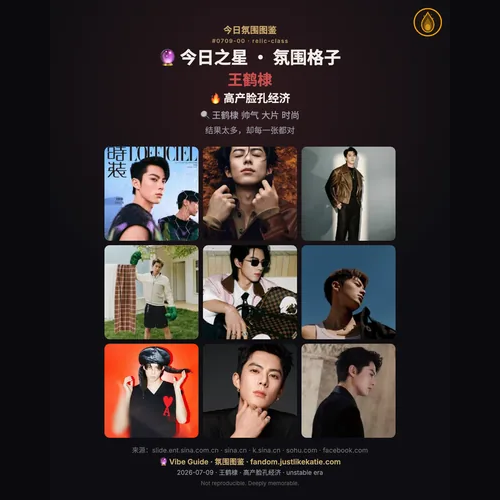
Dylan Wang: High-Cheekbone Economy
Nine results. No weak links. The search technically asked for handsome, cinematic, fashionable. It returned an entire economic system.
Pick your next obsession
The robes are communicating before the men do
Shuiyuntian presents itself through luminous order, ranks, rules, and claims of righteousness. Cangyan Sea arrives in night, stone, fire, military memory, and an unlimited couture budget for emotional repression. Neither aesthetic is a complete moral verdict.
The drama keeps exposing the gap between a realm’s self-image and the choices made by people inside it. “Fairy” and “devil” sound like easy moral categories in English. The story treats them as identities shaped by translation, faction, history, and whoever had the power to write the official description.
That is why the title works. The apparent contradiction asks who gets to define civilization and who gets flattened into a threat. The romance crosses that boundary. The larger story asks whether the boundary was honest in the first place.
Bond → Boundary → Choice
Fandom Vibes field lens
A connection gets interesting when choice outgrows compulsion.
Use the lens on any major relationship, not just the central romance. The best parallels appear when different characters face the same choice between an inherited role and a living person.
How this guide handles spoilers
The main guide stays premise-level and discusses early patterns rather than late reveals. The relationship and symbolism pages name recurring dynamics without turning the ending into a search snippet. If a later article needs ending-level analysis, it should say so before the first spoiler.
This lets newcomers decide whether to watch while giving fans language for why the drama stayed with them. We can be useful without ruining everybody’s evening.
Connect the drama to the larger C-drama field guide
The central couple is a useful example for the guide to CP and pairing language. Dongfang Qingcang enters the drama looking like emotional repression received an unlimited couture budget, but the cold male lead vs. tsundere comparison explains why surface temperature is not enough to classify a character. Changheng’s place in the story also benefits from the distinction between a living relationship and the symbolic distance described in white moonlight vs. cinnabar mole.
Collect first. Overthink later.
The guide explains why the drama works. Vibe Atlas gives you the finished visual artifact: one featured C-drama actor, one assigned aesthetic, and nine curated pieces of evidence. Sometimes the grid is the analysis. Sometimes it is just hot. Both are legitimate.
Open today’s Vibe AtlasEditorial and source note
Premise and title details were checked against the public series descriptions from Netflix, Viki, and iQIYI. The lead-role mappings and adaptation distinction were checked against the linked Viki and iQIYI listings on October 3, 2026. Interpretation is original editorial analysis. Character names and romanization can vary by platform and subtitle track.
The High-Cheekbone Economy grid is a flattened, reduced-resolution editorial artifact supplied by Fandom Vibes. Source domains remain printed on the artifact; the underlying images are not offered as downloads.
Last editorial review: October 3, 2026.